Author: ecosure
What does ibis management mean?
The welfare of ibis is always a priority with any ibis management Ecosure completes, which is why monitoring is the cornerstone of all work completed. This ensures the ibis population never declines to a point that would negatively impact their wellbeing. Management of ibis is based around reducing breeding success, such as ibis dispersal at landfill, removing nests so the birds must rebuild prior to laying eggs, dispersing ibis from roost sites prior to nests being established and reducing the availability of anthropogenic food sources. Over the last 25 years, Ecosure has coordinated: 176,939 eggs removed 4 ibis tracking studies…
2020 Flying-Fox online forum was a huge success!
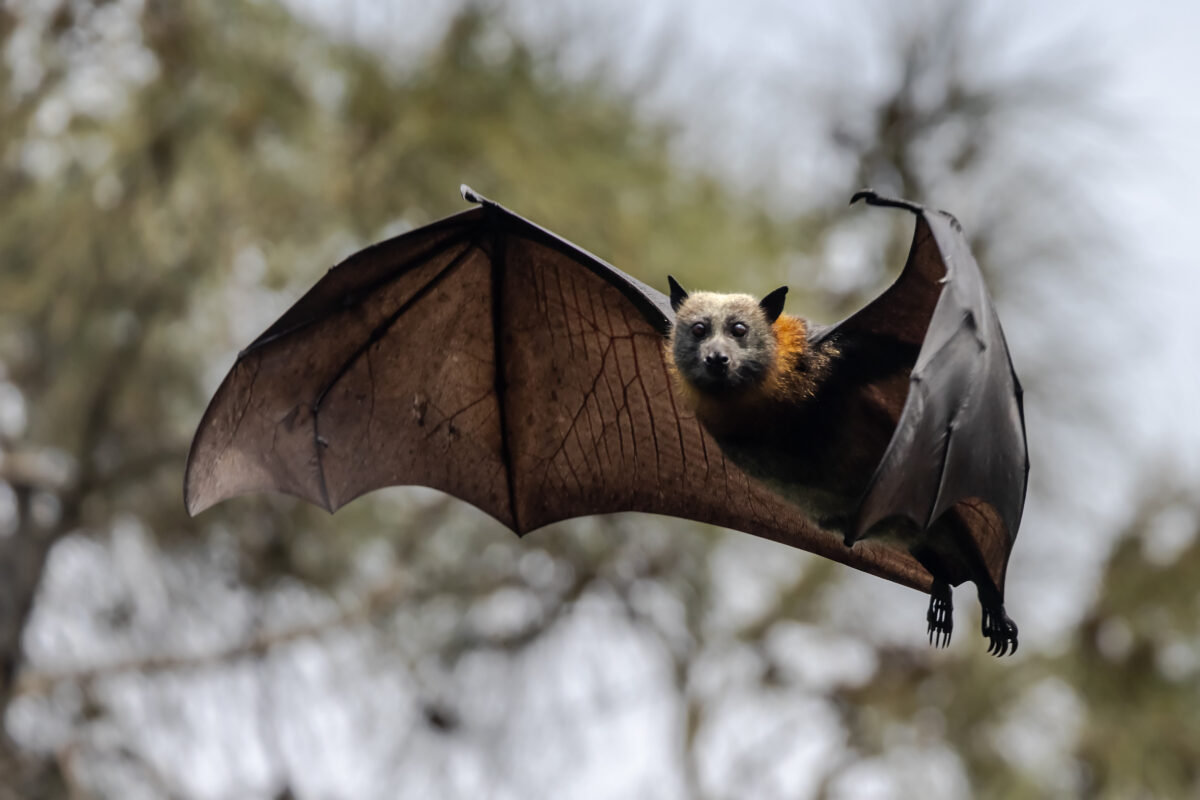
The 5th National Flying-fox Forum was held virtually over two days in November 2020 and was attended by 150 delegates. Led by keynote speaker Dr Justin Welbergen from Western Sydney University, the 2020 Forum had 20 fantastic speakers from across the country, including a focus on the Melbourne and Victorian flying-fox context. Delegates also participated in two interactive polls and a Power of Imagery workshop hosted by award-winning conservation and wildlife photojournalist Doug Gimesy. Prizes were awarded for the top three emotive images and Doug Gimesy and Heather Kiley’s book ‘Life Upside Down’ was awarded to one of our delegates as a…
Ridge to Reef Restoration working group formed
This collaborative effort is a fantastic outcome from the Orpheus Island Leadership and Reef Restoration workshop. In Australia restoration is done in separate ecosystems and with very little integration at a landscape level. The Ridge to Reef restoration work group aims to demonstrate at a local, small-scale catchment area how integrated restoration through multiple ecosystems from ridge-line, mangrove, seagrass and coral will improve social, ecological outcomes through positive partnerships, between Traditional Owners, community, industry, research and natural resource managers. This fully integrated Ridge to Reef restoration project envisions a Traditional Owner-led Ridge to Reef Restoration pilot site. So far the…
Reef Leadership and Restoration Workshop 2020
In November 2020 Ecosure’s employee of the year, Restorations Operations Manager Duncan Smith, Principal Restoration Ecologist Jen Ford and General Manager Diane Lanyon attended Reef Ecologic’s Leadership and Reef Restoration Workshop on Orpheus Island. The workshop was a fantastic opportunity for restoration experts, Traditional Owners, and thought leaders to come together to learn from each other, make connections and plan for the future of the planet. Reef restoration is a rapidly developing method aimed to help coral reefs bounce back after damaging events such as cyclones, ship groundings and mass coral bleaching events. New approaches and insights are coming online…
Celebrating 25 years of Ibis Management!
The Ibis Management Coordination Group (IMCG) was established on the Gold Coast after an ibis was ingested into a Qantas Airbus engine in December 1995. Since 1996, Ecosure has been coordinating and monitoring the Australian white ibis management program (AWIMP) from the NSW border extending up to Gympie, with additional sites as far away as Adelaide, Rockhampton and Sydney. With 40+ stakeholders involved from local Councils, theme parks, hotels, airports and schools the ibis numbers are monitored and managed to reduce the human/ibis conflict and bird strike risk. The Australian white ibis (Threskiornis molucca) is a native species protected under…
Wasps: Small, but a significant hazard to aircraft!
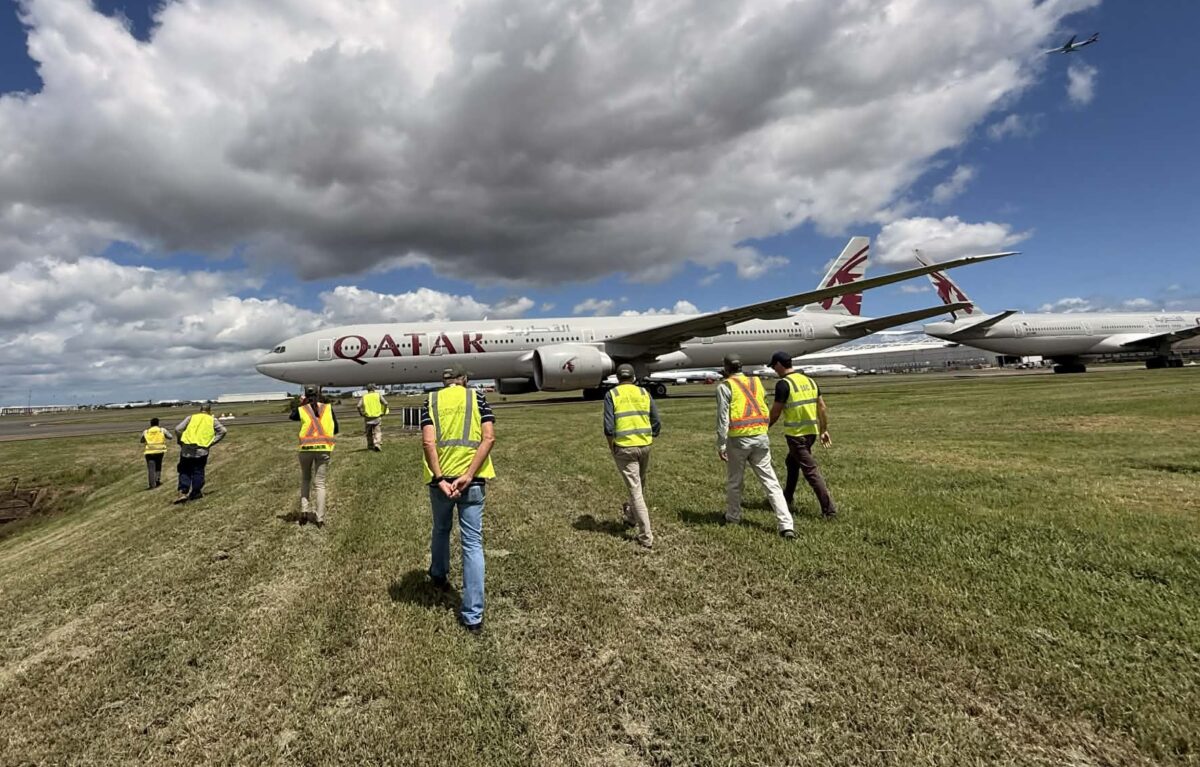
Birds and other vertebrates are obvious hazards to aviation at airports. Yet, the threat of invertebrates, like keyhole wasps, is less understood. Brisbane Airport Corporation engaged Ecosure following the discovery of an exotic mud wasp nesting in the pitot tube of an aircraft. Our Managing Director Phil Shaw and former Principal Ecologist Alan House (now with collaborative partner Eco Logical Australia) wrote a scientific paper on a 39 month study on the mud-nesting keyhole wasp (Pachodynerus nasidens) at Brisbane Airport. The paper is due for release in PLOS One this week. Discovery of the problem? In 2013, an Airbus A330 prepared to take…