Blog

Federation Walk Coastal Reserve

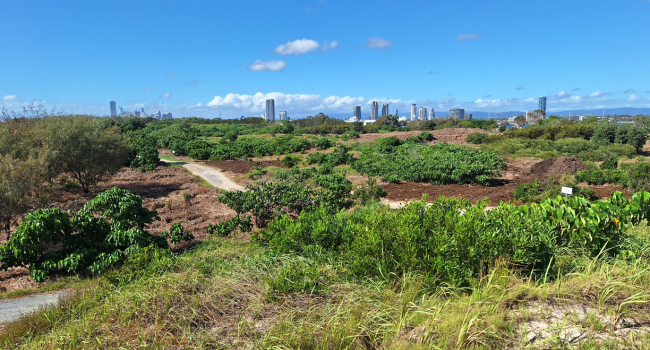
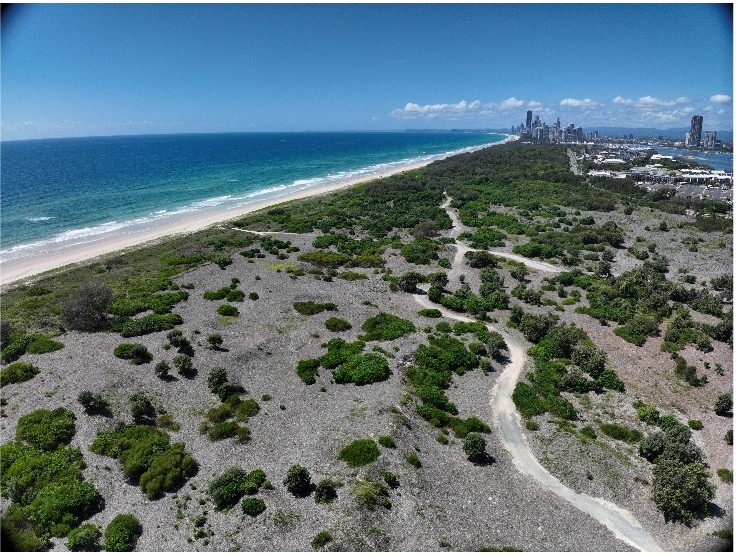
Delivering Ambitious Beachfront Federation Walk Littoral Rainforest Restoration Project with City of Gold Coast

Ecosure has been contracted by the City as the principal contractor to undertake these works. This collaboration between the State Government and the City of Gold Coast aims to drive an ambitious and transformative environmental initiative. Ecosure is proud to lead this effort alongside delivery partners Regen Australia and Ngarang-wal Gold Coast Aboriginal Association. Federation Walk Coastal Reserve represents one of Australia’s largest beachfront rainforest restoration projects with the aim to establish a thriving coastal (littoral) rainforest in the heart of the Gold Coast. Funded by the Queensland Government in partnership with the City of Gold Coast and the Federal Government, this project promises significant ecological, social, and recreational benefits for the region.

Delivering Ambitious Beachfront Federation Walk Littoral Rainforest Restoration Project with City of Gold Coast Read More »

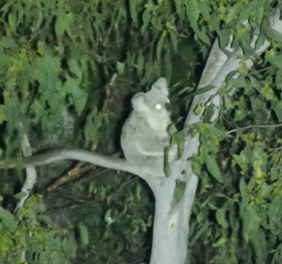
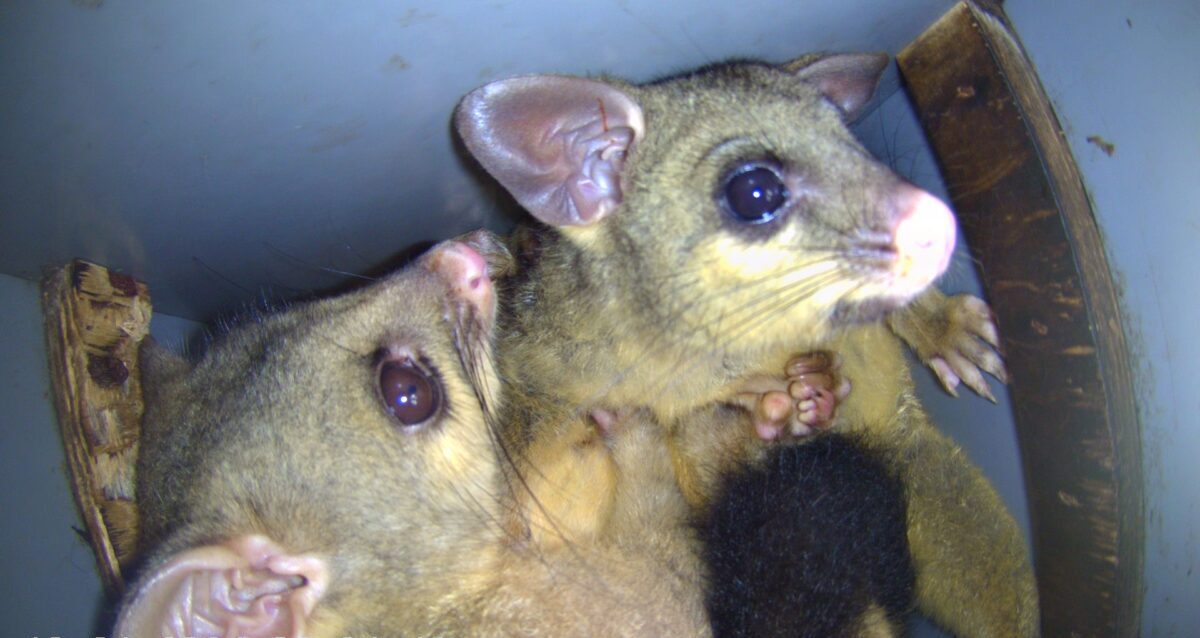
Monitoring finds brushtail possums in nest box

Enhancing Wildlife Habitat: A Nest Box Success Story

Nestled within the vibrant landscape of Southeast Queensland lies Sleeman Sports Complex, a hub of athletic prowess and community engagement. Beyond its sporting arenas, this complex is fostering a different kind of activity—one that involves the delicate balance of nurturing native fauna within its precincts.

Ecosure was engaged by Sleeman Sports Complex to install and monitor nest boxes mounted strategically across the premises to provide sanctuary to various native bird and mammal species reliant on natural hollows—a vital component of Australia’s biodiversity.

Enhancing Wildlife Habitat: A Nest Box Success Story Read More »

Celebrating 27 years of Ibis management

Celebrating 27 years of Ibis management

The Australian white ibis (Threskiornis molucca) is one of three native species of ibis found in Australia and is protected under the Queensland Nature Conservation Act 1992 and New South Wales Biodiversity Conservation Act 2016. Unnaturally large numbers of ibis are now found in many urban environments along the east coast of Australia, primarily because of easy access to abundant food sources such as some waste landfills and public feeding, which can result in public complaints, present an aviation safety hazard and impact negatively on biodiversity. There are also risks to public health and production animals.

Celebrating 27 years of Ibis management Read More »

Scroll to Top

Join our newsletter

To receive updates, information, and helpful tips.